Nijo Castle Audio Guide
Nijo Castle in central Kyoto was built by Tokugawa Ieyasu in 1603 as a symbol of shogunal …
Tap a button to hear the section.
Overview
Overview
Nijo Castle in central Kyoto was built by Tokugawa Ieyasu in 1603 as a symbol of shogunal authority. In 1867, Tokugawa Yoshinobu declared the restoration of imperial rule here, making the site a key stage in Japanese history. A UNESCO World Heritage site, it features the lavish Ninomaru Palace, gates, gardens, and seasonal scenery—especially cherry blossoms in spring and foliage in autumn.
Access
Access
The closest station is Nijojo‑mae (Tozai Subway Line), just a short walk away. From Kyoto Station, city buses reach the area in about 15 minutes. The site is also easy by foot or bicycle, but popular seasons are busy, so visiting early in the day is recommended for a calmer experience.
Parking
Parking
There is paid parking near the Higashi‑Otemon (East Main Gate), but capacity is limited. During peak tourist seasons, public transport is often the most reliable option.
Highlights
Highlights
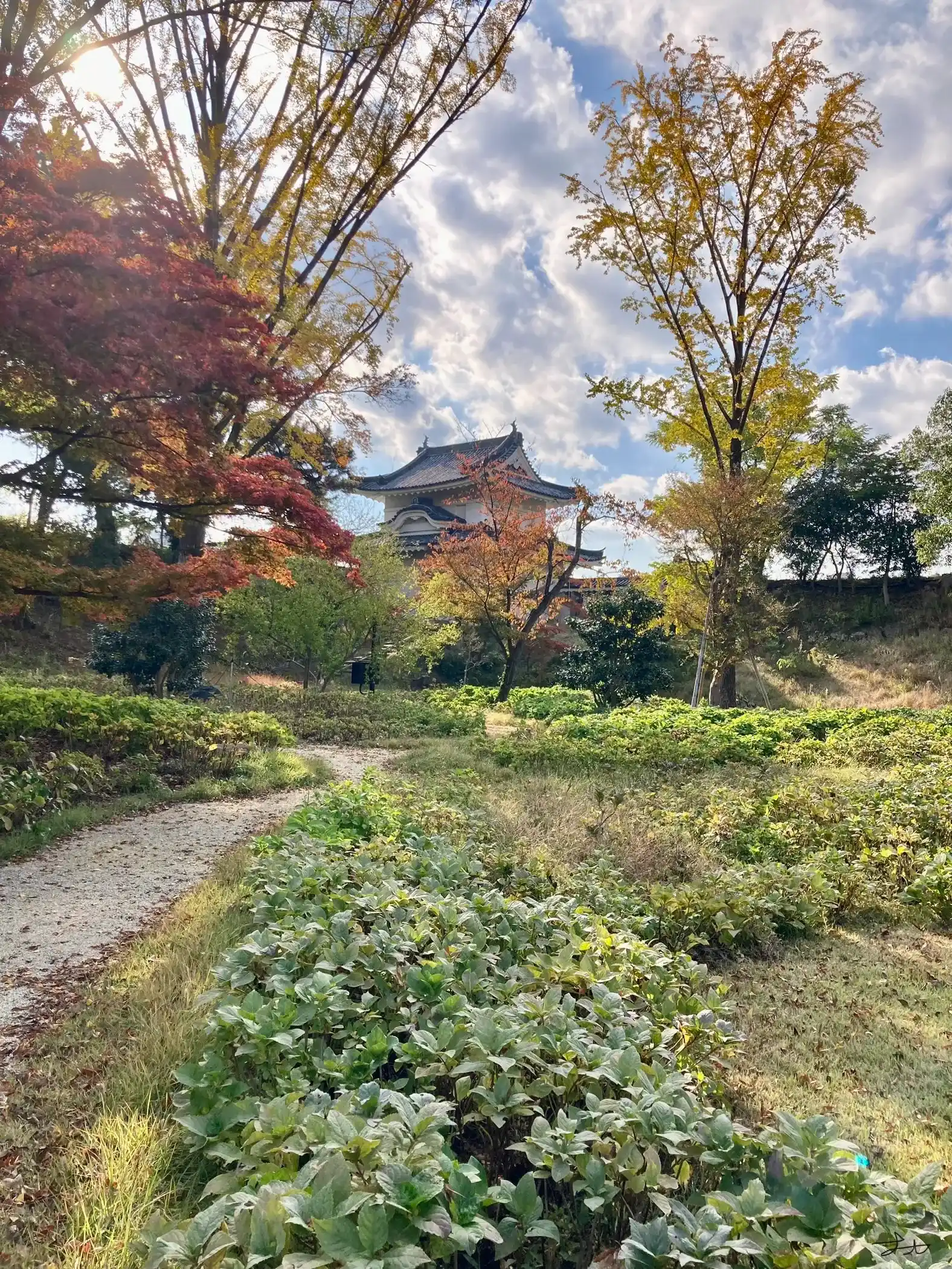
The ornate Karamon gate is famous, but don’t miss the Southeast Corner Turret behind it—autumn colors can make the turret stand out beautifully. Two corner turrets survive on the south side, each with distinct character. For a unique splurge, some nearby accommodations offer views toward the castle area, adding a special angle to your visit.